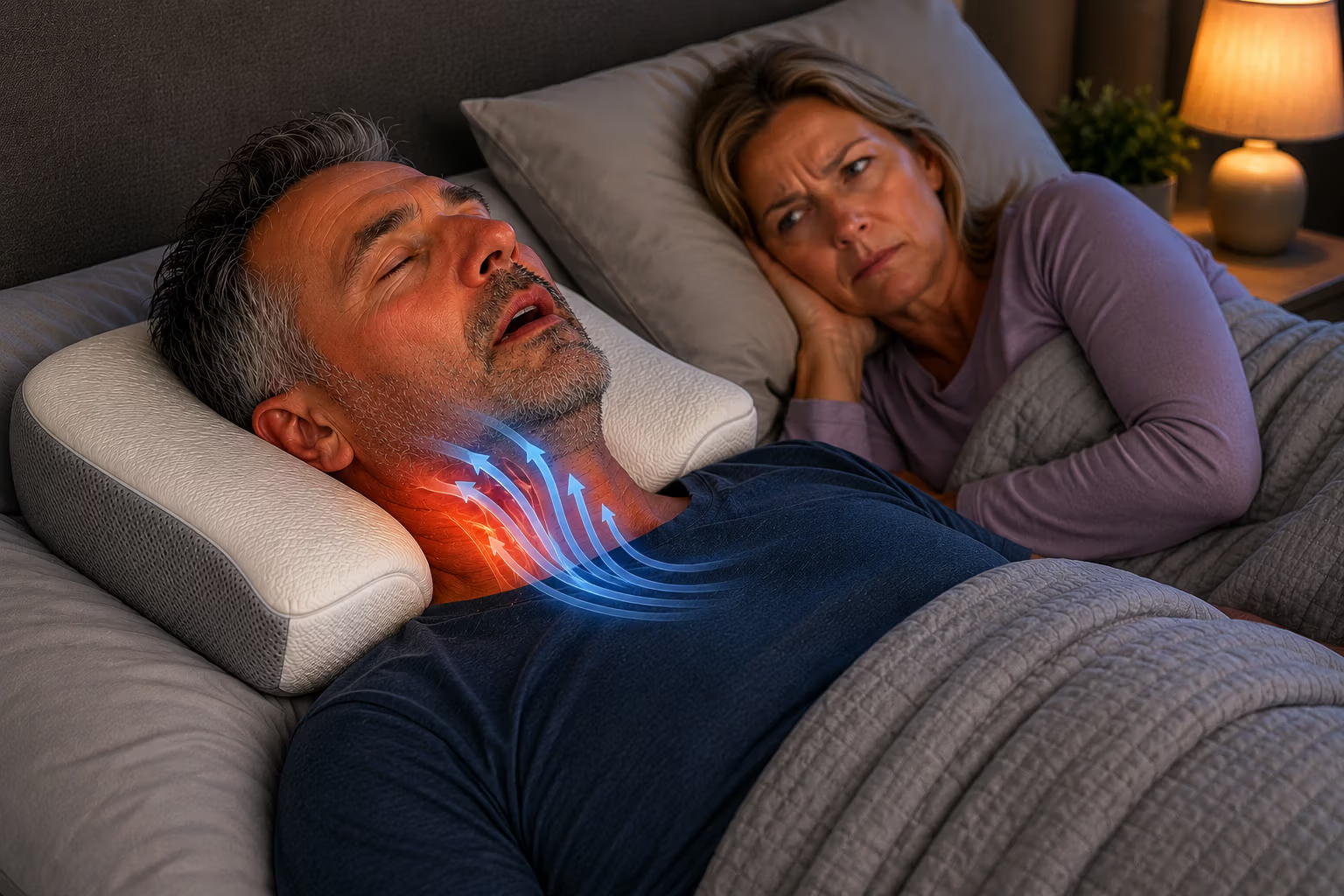
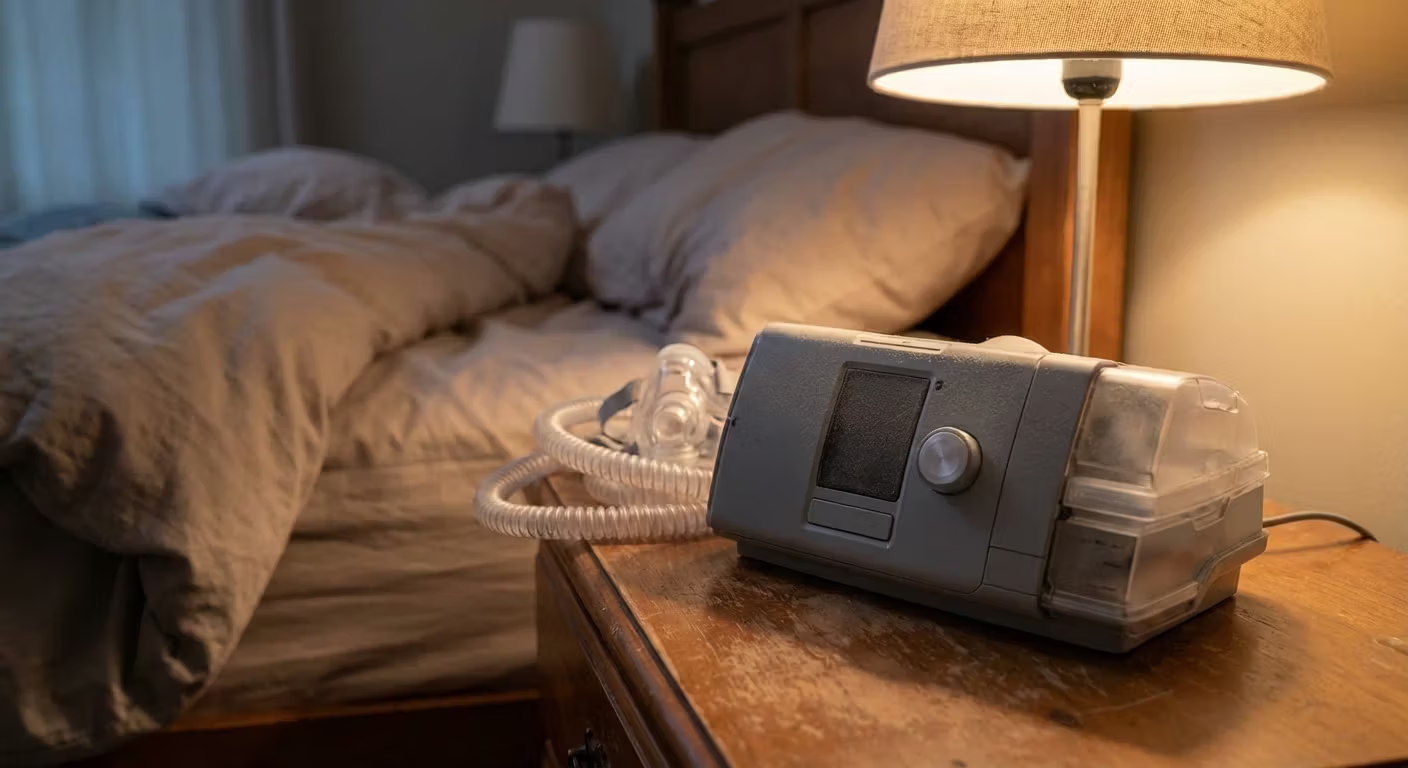
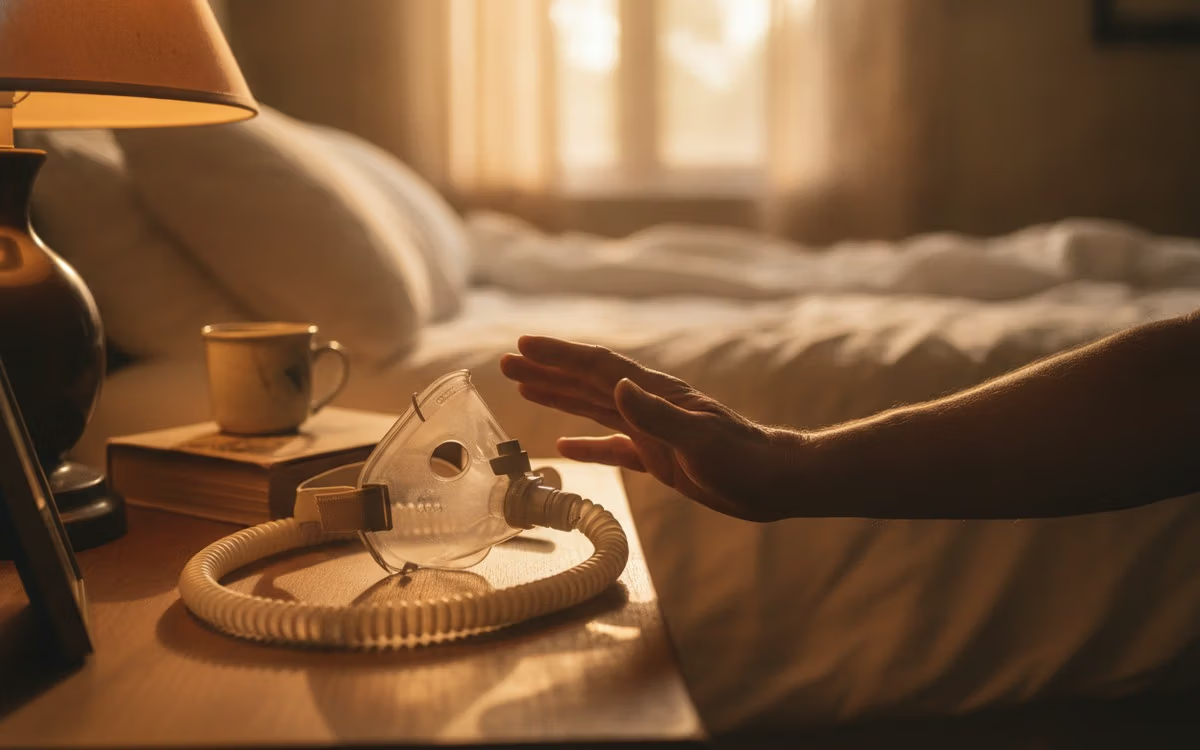
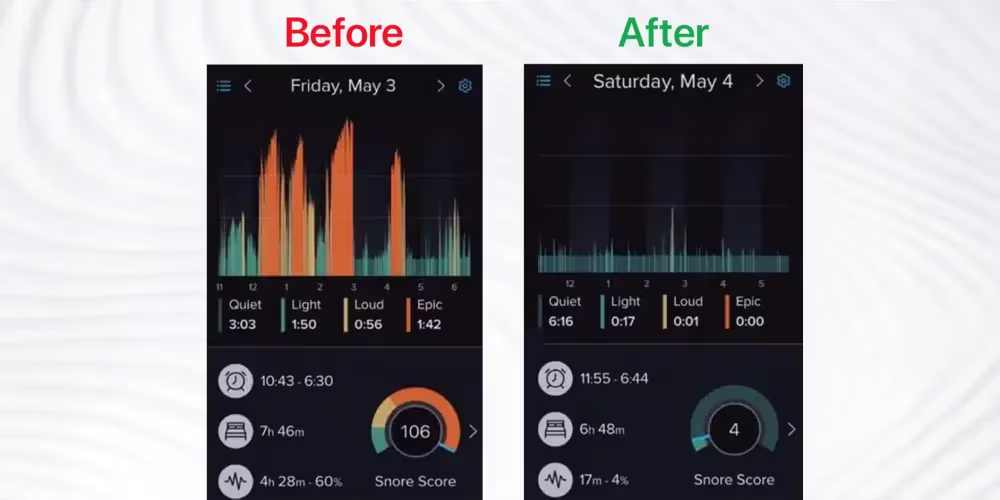
For months I just white-knuckled it. No mask, no machine, nothing. I went straight back to snoring like a freight train, waking up wrung out, my wife retreating to the spare room again. Honestly, the shame of it wore on me more than the tiredness did.
So I told the specialist flat out: I was never putting that mask on again, and I did not want surgery or a device clamped onto my jaw either. I asked him if there was honestly anything else a man like me could try first.
That is when he told me the part most people never hear.
"In Japan, people who sleep on certain traditional pillows seem to have fewer breathing interruptions," he said. "And the answer surprised the medical community. The key, it turned out, wasn't medication. It was the position your head and neck rest in overnight."
The Japanese method is simple: support the back of the neck at a precise angle that keeps the airway open through the night. No mask, no machine, no medication — just one pillow shaped around that principle.
Why Position Matters More Than Most People Think
It was the first time anyone had described my snoring as something other than a life sentence with a machine.
Research on positional therapy, including work published in the Journal of Clinical Sleep Medicine, shows that head and neck alignment can play a real role in how open the airway stays overnight. When the neck isn't properly supported, it may worsen snoring and broken sleep.
The trouble is that ordinary pillows don't hold that support all night. They tend to be either too soft (letting the head fall back) or too firm (pushing the chin toward the chest).
That got me thinking: could the right support be the mask-free first step my specialist was talking about?
The Design That Caught My Attention
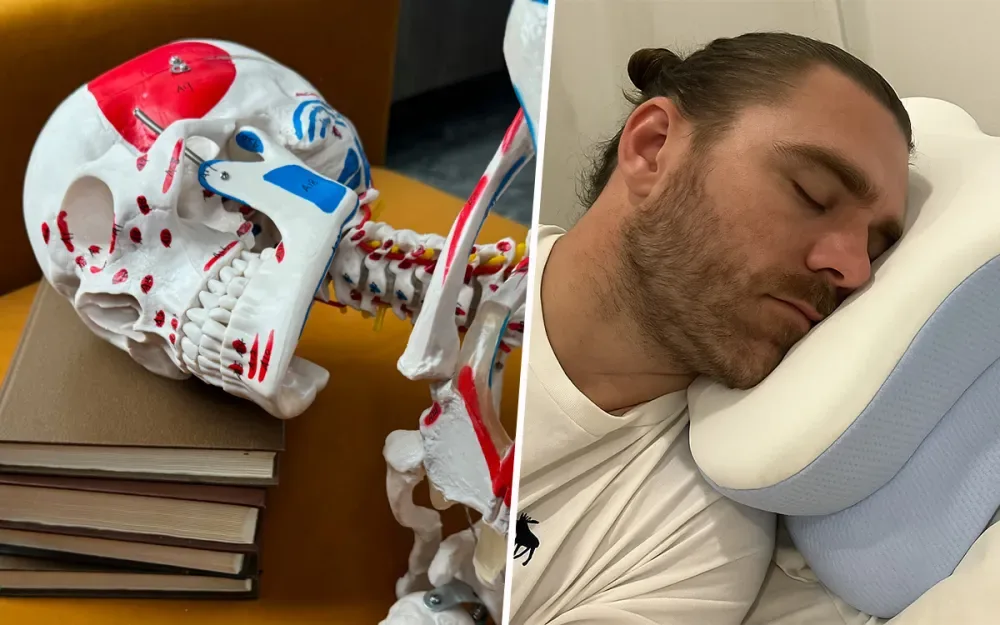
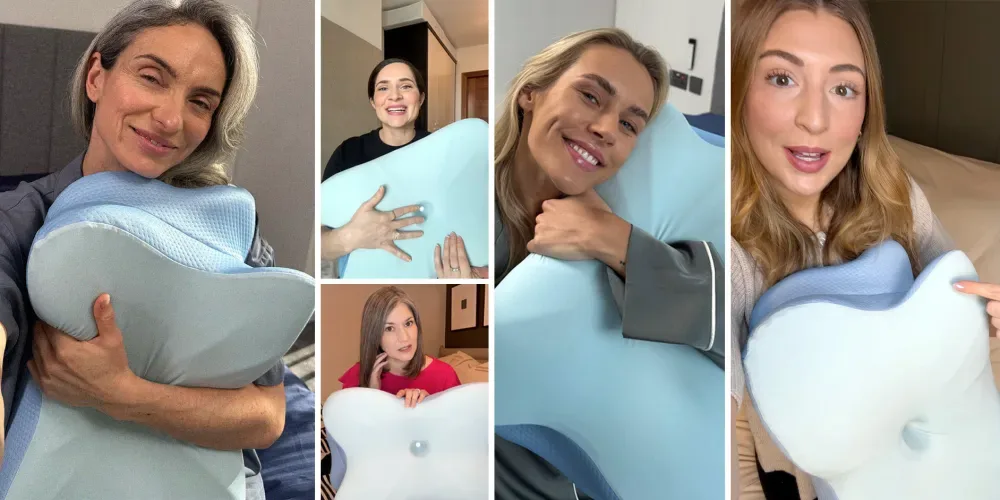
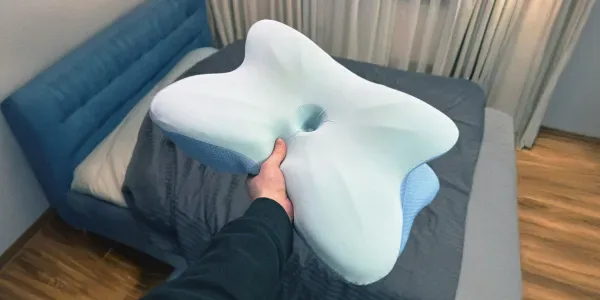
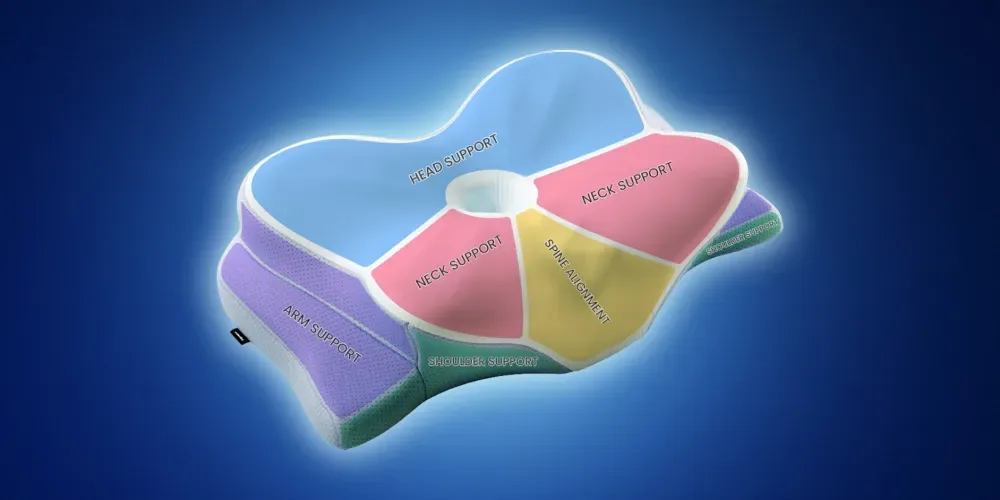
The more I looked, the more I kept landing on the Derila Ergo pillow and its unusual butterfly shape. The design is built on ergonomic principles – holding the natural curve of your neck throughout the night.
This isn't about replacing your doctor's advice. It is about giving your airway a fair chance through simple positioning while you sleep.
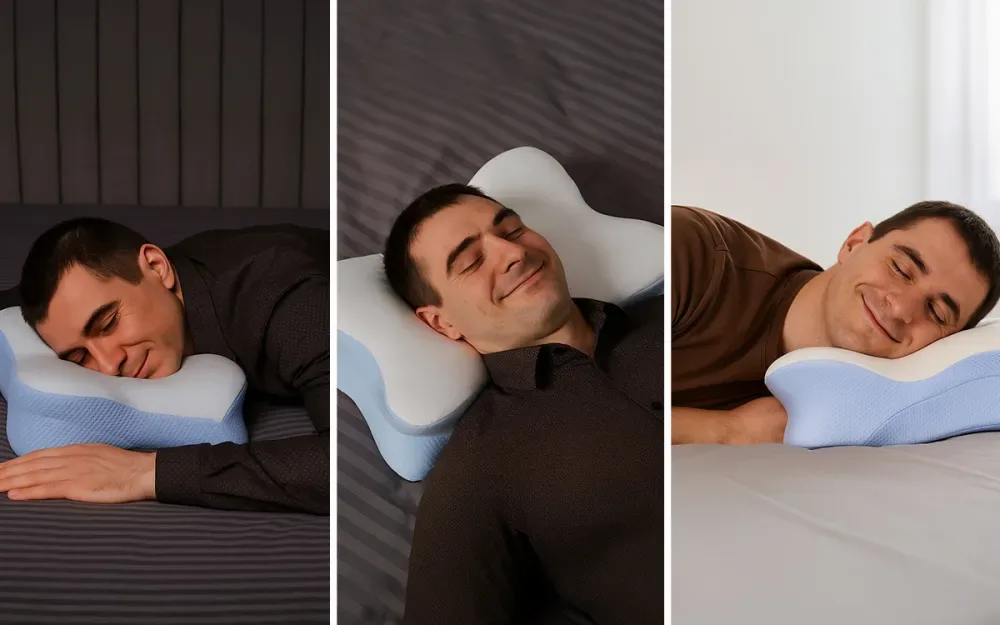
What sold me was how it handled the way I actually sleep. On my back, on my side, or rolling between the two through the night, the contoured shape keeps supporting your neck either way.
Think of it like good posture in a chair. When everything is lined up correctly, your body simply works better. The same is true while you sleep.